
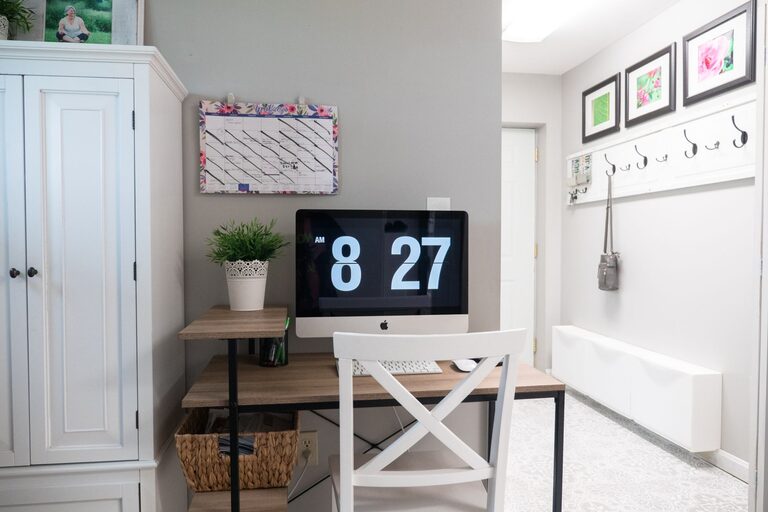
Setting up a family command center can transform the way your household runs. It centralizes important information, helps coordinate busy schedules, and creates a clear system for managing chores and activities. Whether you have young kids, teenagers, or a multi-generational family, a command center is a simple yet effective way to stay organized and reduce stress.
In this guide, we’ll walk you through the steps to create your own family command center, share ideas for what to include, and offer tips to make it work for your unique family needs.
What is a Family Command Center?
A family command center is a designated spot in your home where you keep everything related to family organization. It can include calendars, to-do lists, meal plans, mail sorting, and more. Typically placed in a high-traffic area like the kitchen or hallway, it serves as a hub for communication and scheduling.
The goal is to have one place where everyone can easily check what’s happening in the week ahead, what tasks need to be done, and where important items are stored.
Step 1: Choose the Right Location
The first step is picking a spot that’s convenient and visible to all family members. Some popular locations include:
– Kitchen wall near the breakfast table
– Entryway or mudroom
– Hallway close to bedrooms or bathroom
Make sure the space has enough room for your supplies and that it’s easy to access daily. Good lighting is a bonus.
Step 2: Gather Your Supplies and Tools
Depending on your family’s style and preferences, your command center can be high-tech or low-tech. Here are some common tools you may want to include:
– Wall calendar or dry-erase board for schedules
– Corkboard or bulletin board for notes and reminders
– Family planner or notebook
– Key hooks or a small tray to keep keys and wallets
– Mail sorter or basket
– Pen holder with pens, markers, and scissors
– Clipboards or folders for permission slips, bills, and important papers
– Chalkboard or magnetic board for quick messages
– Storage baskets or bins to keep supplies organized
Gather items that fit your available space and budget. Many stores sell command center kits or supplies specifically designed for home organization.
Step 3: Set Up Your Calendar System
A calendar is the heart of any family command center. It helps everyone visualize appointments, school events, extracurricular activities, and deadlines.
Tips for an effective calendar:
– Use color coding — assign each family member a different color for easy identification.
– Choose a calendar size that fits your space but is large enough to write clearly.
– Decide on a digital or paper calendar or combine both for backup.
– Update it regularly and encourage the whole family to check it daily.
Step 4: Organize Important Papers & Mail
Paper clutter can quickly pile up. Create a system for sorting and handling daily mail and important documents.
Ideas include:
– A mail sorter with labeled sections like “To Pay,” “To File,” “To Review,” and “Outgoing.”
– Clipboards or file folders for school papers, permission slips, and receipts.
– A basket or bin for magazines and coupons.
– A designated spot for bills and financial paperwork (even if you don’t handle finances at the command center, it helps keep related papers in one place).
Step 5: Create a Message & Reminder Area
A space where family members can leave notes, reminders, or motivational quotes helps enhance communication. This can be:
– A corkboard with push pins
– A magnetic whiteboard with magnets for notes
– A chalkboard for quick messages
– Sticky note section
Encourage everyone to participate by posting reminders or messages for each other.
Step 6: Add a Meal Planning Station
Meal planning reduces stress and last-minute trips to the store. You can incorporate:
– A weekly meal calendar
– A grocery list or recipe cards
– Magnets holding shopping lists on the fridge nearby
– Space to post favorite recipes or takeout menus
Step 7: Include a Chore Chart
Assigning chores and tracking completion keeps the household running smoothly. You might use:
– A dry-erase board with daily or weekly tasks
– Printable chore charts with checkboxes
– Reward systems displayed alongside chores
Adjust based on your family’s age and preferences.
Step 8: Keep It User-Friendly and Flexible
The best family command centers are easy to update and maintain. Here are some final tips:
– Make sure all family members know how to use the system.
– Keep the space tidy and clutter-free.
– Customize sections as your family’s needs change.
– Schedule a weekly family meeting to review and update plans.
– Use labels and clear signage to keep areas organized.
Conclusion
A family command center is more than just a bulletin board—it’s a tool to keep your household connected, organized, and on track. By setting up a space dedicated to communication and planning, you’ll streamline daily routines and reduce the chance of missed appointments or forgotten tasks.
Start small, customize to fit your family’s lifestyle, and enjoy the peace of mind that comes with a well-organized home!
About the Author