
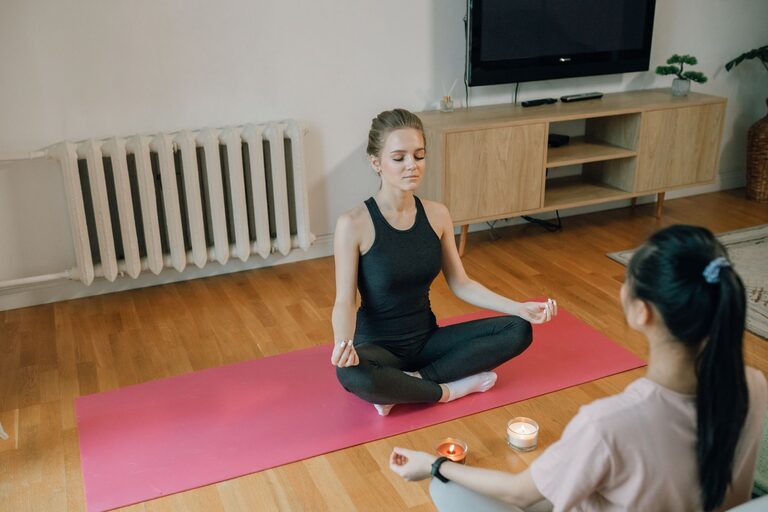
Taking mindful breathing breaks is an easy and effective way to bring calm and clarity into your busy day. Whether you’re working at a desk, managing household tasks, or simply feeling overwhelmed, pausing to focus on your breath can help reset your mind and body. If you’re new to mindful breathing, this beginner’s guide offers practical tips to get started and make the most of each break.
What Is Mindful Breathing?
Mindful breathing is the practice of paying attention to your breath on purpose—without judgment. Instead of letting your mind wander, you gently notice the sensation of air entering and leaving your body. This simple act encourages relaxation and awareness, creating space between you and stressful thoughts.
Why Take Mindful Breathing Breaks?
Incorporating mindful breathing breaks throughout your day can:
– Reduce stress and anxiety
– Improve focus and concentration
– Enhance emotional balance
– Lower blood pressure
– Boost overall well-being
Even short pauses of one to five minutes can make a difference in how you feel and perform.
How to Prepare for Your Breathing Break
Before you begin, find a quiet, comfortable spot where you won’t be disturbed. This could be your chair, a cozy corner, or even outdoors. You can sit or lie down—whichever feels best.
Consider setting a gentle timer for the length of your break so you don’t have to check the clock. Start with just a couple of minutes and gradually increase as you feel comfortable.
Step-by-Step Guide to Mindful Breathing for Beginners
1. Get Comfortable
Sit upright with your feet flat on the floor and your hands resting on your lap, or lie down with your arms relaxed by your sides.
2. Close Your Eyes or Soften Your Gaze
This helps minimize distractions and brings your attention inward.
3. Take a Deep Breath In
Breathe in slowly through your nose for a count of four, feeling your chest and belly gently expand.
4. Hold Your Breath Briefly
Pause for a moment, about a count of two.
5. Exhale Slowly
Breathe out through your mouth or nose for a count of six, noticing your body release tension.
6. Repeat
Continue this breathing cycle for a few minutes, maintaining your focus on the breath.
Tips for Staying Focused During Mindful Breathing
It’s normal for your mind to wander, especially as a beginner. Here are ways to stay on track:
– Gently redirect: When you notice your thoughts drifting, softly bring attention back to your breath.
– Use a mantra: Try silently repeating a calming phrase like “inhale peace, exhale tension.”
– Feel the sensation: Focus on the physical feeling of breath, such as air passing through your nostrils or your chest rising and falling.
– Stay patient: Mindfulness is a skill built over time, so be kind to yourself throughout the process.
Different Breathing Techniques to Try
Once you’re comfortable with basic mindful breathing, you can explore other techniques:
– Box Breathing: Inhale for 4 seconds, hold for 4, exhale for 4, hold for 4. Repeat.
– 4-7-8 Breathing: Inhale for 4, hold for 7, exhale for 8 seconds. Helps calm the nervous system.
– Alternate Nostril Breathing: Close one nostril, inhale through the other, then switch. Balances energy.
Experiment and notice which feels best for you.
Incorporating Mindful Breathing into Your Day
Try setting reminders to pause every hour or creating triggers—like before a meeting or after a stressful email. You can also combine mindful breathing with other small habits:
– Stretch or change posture
– Take a brief walk
– Sip water mindfully
Building these mini-breaks into your routine can support lasting focus and reduce burnout.
Using Technology to Support Your Practice
There are many apps and online resources offering guided breathing exercises designed for beginners. Some popular options include:
– Insight Timer
– Calm
– Headspace
– Breathe2Relax
These tools can provide structure and motivation as you build your practice.
When and Where to Practice Mindful Breathing
One of the best things about mindful breathing is its flexibility. You can do it:
– At your desk at work
– During a busy commute (if you are safely seated)
– In the morning to start your day calmly
– Before bed to unwind
– Anytime you feel overwhelmed or distracted
The more you practice, the easier it becomes to access calm quickly.
Final Thoughts
Starting mindful breathing breaks doesn’t require special tools or training—just a few moments of your attention. By taking small pauses to breathe purposefully, you can enhance your mood, focus, and overall wellness. Begin with short sessions, be patient with yourself, and enjoy the peaceful moments you create throughout your day.
Remember, every breath is an opportunity to reset and refresh. Happy breathing!
About the Author